Utah Window Tint Law 2026
Utah requires at least 35% on the front side windows. We have not established a published figure for the back side windows and rear window, and this page marks that as a gap rather than implying no limit applies.
As an Amazon Associate, StreetLawful earns from qualifying purchases. Product listings are matched to statutory requirements as we read them — this is not a guarantee of compliance, and we do not test or measure any film ourselves.
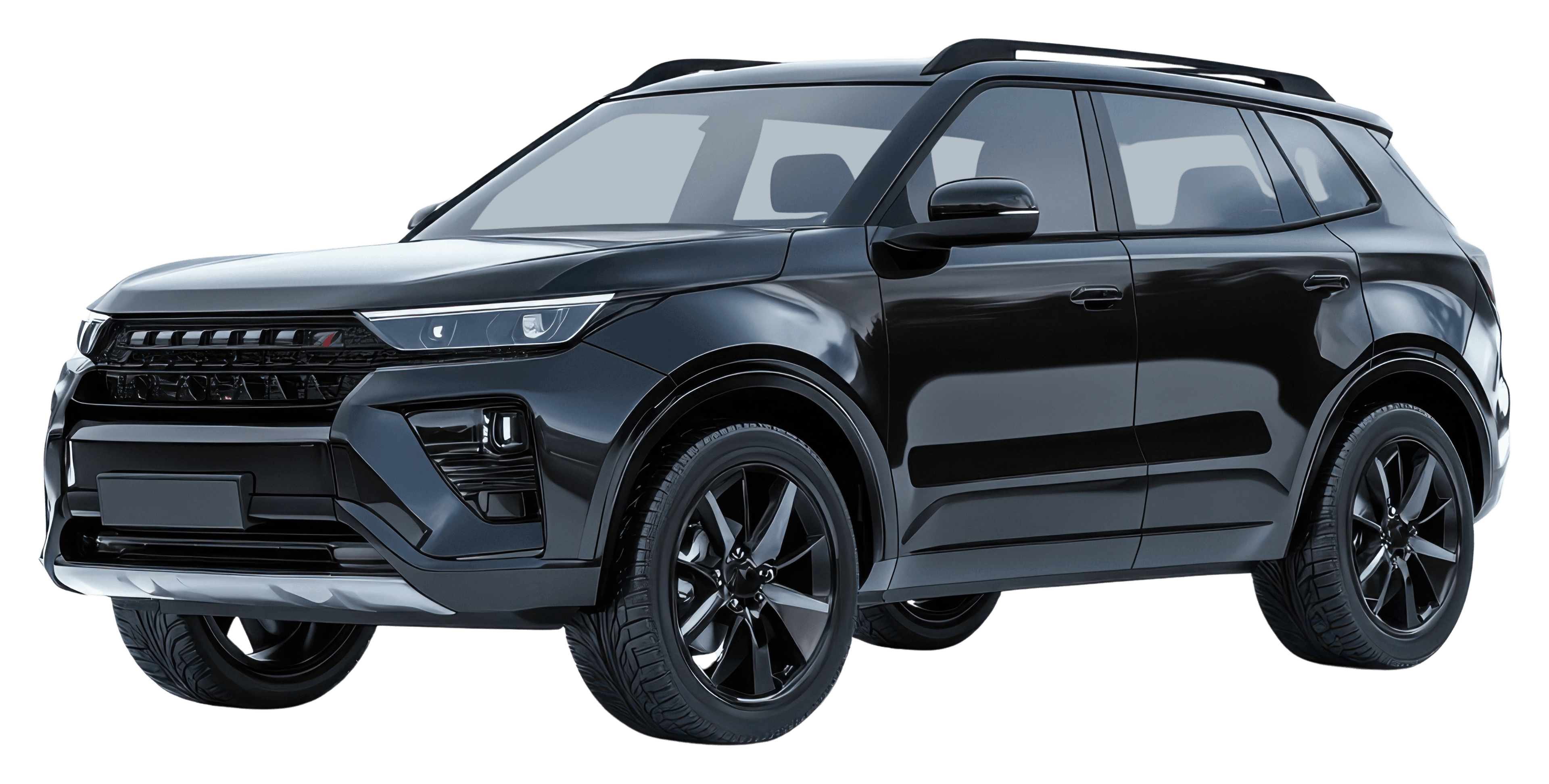
Choose a tint level
Our pick at 35% VLT
- 35%VLTIAQWEIAQWE 35% VLT Ceramic Car Window Tint Film 20 in x 20 ft Roll | High Heat Rejection, UV Block, Privacy, Shatterproof, Scratch Resistant & No Signal InterferenceCeramic (nano-ceramic, 5-layer)20″ × 20′ rollRated 35% VLT — may comply with the 35% requirement for front side windows; verify the installed reading.View on Amazon
Our pick at 50% VLT
- 50%VLTIAQWEIAQWE 50% VLT Ceramic Car Window Tint Film 20 in x 20 ft Roll | High Heat Rejection, UV Block, Privacy, Shatterproof, Scratch Resistant & No Signal InterferenceCeramic (nano-ceramic, 5-layer)20″ × 20′ rollRated 50% VLT — may comply with the 35% requirement for front side windows; verify the installed reading.View on Amazon
Our pick at 70% VLT
- 70%VLTARANAARANA 70% VLT 36"x15FT Ceramic Car Window Tint Film | Keep Car Cool, UV Heat Blocking, Daytime Privacy & Anti-Glare, Scratch Resistant, Phone/GPS Friendly, DIY InstallCeramic (nano-ceramic)36″ × 15′ rollRated 70% VLT — may comply with the 35% requirement for front side windows; verify the installed reading.View on Amazon
More options that clear this figure, darkest first
- 35%VLTIAQWEIAQWE 35% VLT Ceramic Car Window Tint Film 20 in x 20 ft Roll | High Heat Rejection, UV Block, Privacy, Shatterproof, Scratch Resistant & No Signal InterferenceCeramic (nano-ceramic, 5-layer)20″ × 20′ rollRated 35% VLT — may comply with the 35% requirement for front side windows; verify the installed reading.View on Amazon
- 35%VLTRockRoseRockRose 35% Nano Ceramic Car Window Tint 36 in x 25FT 2PLY Privacy Film Heat Block, 99% UVR, and 85% IRR Block for Auto or Home Strong Adhesive, Easy Shrink, Plotter Friendly - CharcoalCeramic (2-ply nano-ceramic)36″ × 25′ rollRated 35% VLT — may comply with the 35% requirement for front side windows; verify the installed reading.View on Amazon
- 50%VLTIAQWEIAQWE 50% VLT Ceramic Car Window Tint Film 20 in x 20 ft Roll | High Heat Rejection, UV Block, Privacy, Shatterproof, Scratch Resistant & No Signal InterferenceCeramic (nano-ceramic, 5-layer)20″ × 20′ rollRated 50% VLT — may comply with the 35% requirement for front side windows; verify the installed reading.View on Amazon
- 70%VLTARANAARANA 70% VLT 36"x15FT Ceramic Car Window Tint Film | Keep Car Cool, UV Heat Blocking, Daytime Privacy & Anti-Glare, Scratch Resistant, Phone/GPS Friendly, DIY InstallCeramic (nano-ceramic)36″ × 15′ rollRated 70% VLT — may comply with the 35% requirement for front side windows; verify the installed reading.View on Amazon
Showing 4 of the 12 films we list that clear this figure. Verify before you tint. We match a film’s own rating against the figure in the statute above. We do not measure film, and a manufacturer rating is not a compliance certificate.
The limits at a glance
Utah sets the same limits for passenger cars and for SUVs, vans and trucks, so there is nothing to switch between.
Film that may meet the 35% requirement for front side windows
- 35% VLT minimum — measured on the installed glass, film and window together statutory measurement tolerance: no more than a 5% variance observed by a peace officer metering the light transmittanceUtah Code §41-6a-1635(1)(b) — Utah Code (Utah State Legislature) · read
- This limit is measured on the installed glass, not on the film. Factory glass blocks light on its own, so film rated at or above the figure can still read below it once applied. Treat these as candidates and verify the installed reading.Utah Code §41-6a-1635(1)(b) — Utah Code (Utah State Legislature) · read
Every Utah tint rule we track
| Rule | Applies to | What the law says | Source |
|---|---|---|---|
| Windshield strip — how dark the strip may be | All vehicles | confirmed No transmittance floor for the permitted band. (3)(a) allows NONTRANSPARENT materials there outright, subject only to the depth limit.DetailAs in Colorado, the permission runs to fully nontransparent material, so assigning any percentage — however permissive — would misstate the rule. The 70% figure in (1)(a) governs the windshield outside the (3)(a) and (3)(b) allowances. | Utah Code §41-6a-1635(3) — Utah Code (Utah State Legislature) · read “Nontransparent materials may be used:” |
| Windshield strip — how far down it may extend | All vehicles | 4 inches from the top edge or the AS-1 line — whichever is LOWESTDetailRead the tie-breaker carefully — Utah takes whichever measure is LOWEST on the glass, which is the more PERMISSIVE of the two. Oklahoma, Wyoming and Texas use the mirror-image formula ("whichever is closer to the top of the windshield") and so take the more restrictive. (3)(b) adds a second, separate allowance Utah is nearly alone in granting: nontransparent material "in the lower left-hand corner of the windshield provided they do not extend more than three inches to the right of the left edge or more than four inches above the bottom edge of the windshield". | Utah Code §41-6a-1635(3)(a) — Utah Code (Utah State Legislature) · read “along the top edge of the windshield if the materials do not extend downward more than four inches from the top edge of the windshield or beyond the AS-1 line whichever is lowest;” |
| Windshield below the strip | All vehicles | 70% VLT minimum measured on the installed glass + film together DetailNET_ASSEMBLY basis: the subject that must "allow" the percentage is the window — "a windshield that allows less than 70% light transmittance", "a front side window that allows less than 35% light transmittance". Utah never rates the film separately. (4) reinforces the reading by deeming a window compliant if it "meets the federal statutes and regulations for motor vehicle window composition, covering, light transmittance, and treatment", i.e. by reference to the finished glazing. | Utah Code §41-6a-1635(1)(a) — Utah Code (Utah State Legislature) · read “a windshield that allows less than 70% light transmittance;” |
| Front side windows | All vehicles | 35% VLT minimum measured on the installed glass + film together statutory measurement tolerance: no more than a 5% variance observed by a peace officer metering the light transmittance DetailThe tolerance is part of the operative sentence, not a rule of practice, and it is unusually generous — a 5% variance on a 35% standard. Only Texas states anything comparable (3%, and only for its front-side exception). Rendering Utah as a bare "35%" drops a term the legislature wrote into the rule. NET_ASSEMBLY basis: the subject that must "allow" the percentage is the window — "a windshield that allows less than 70% light transmittance", "a front side window that allows less than 35% light transmittance". Utah never rates the film separately. (4) reinforces the reading by deeming a window compliant if it "meets the federal statutes and regulations for motor vehicle window composition, covering, light transmittance, and treatment", i.e. by reference to the finished glazing. | Utah Code §41-6a-1635(1)(b) — Utah Code (Utah State Legislature) · read “a front side window that allows less than 35% light transmittance, with no more than a 5% variance observed by a peace officer metering the light transmittance;” |
| Back side windows | All vehicles | confirmed No restriction. Nontransparent materials may be used on the rear side windows located behind the vehicle operator.DetailThis is an express permission, not a gap — (3) opens "Nontransparent materials may be used:" and (3)(c) is one of its three limbs. It permits NONTRANSPARENT material, so there is no darkness at which rear side glass becomes unlawful. The trade is the mirror duty in (5), which such tinting triggers. | Utah Code §41-6a-1635(3)(c) — Utah Code (Utah State Legislature) · read “on the rear windows including rear side windows located behind the vehicle operator.” |
| Rear window | All vehicles | confirmed No restriction. Nontransparent materials may be used on the rear windows.DetailUtah joins Texas as a state where the rear glass carries no transmittance figure at all. The difference is in what conditions the permission: Texas requires dual mirrors giving a 200-foot rearward view only for the rear window, while Utah's (5) mirror duty is triggered by tint on ANY window and is specified functionally rather than by distance. | Utah Code §41-6a-1635(3)(c) — Utah Code (Utah State Legislature) · read “on the rear windows including rear side windows located behind the vehicle operator.” |
| Reflectivity — front side windows | All vehicles | No reflectance percentage. Any windshield or window composed of, covered by, or treated with material presenting a metallic or mirrored appearance is prohibited outright.DetailA flat prohibition rather than a ceiling, in the same drafting family as Colorado's §42-4-227(1)(d). There is no percentage at which a mirrored film becomes lawful in Utah. | Utah Code §41-6a-1635(1)(c) — Utah Code (Utah State Legislature) · read “any windshield or window that is composed of, covered by, or treated with any material or component that presents a metallic or mirrored appearance;” |
| Reflectivity — back side windows | All vehicles | No reflectance percentage. The metallic-or-mirrored prohibition reaches "any windshield or window", so it applies behind the operator even though the transmittance rules do not.DetailWorth stating plainly because the two rules pull in opposite directions: (3)(c) lets the rear glass go fully nontransparent, while (1)(c) still forbids it being mirrored. Dark is permitted; reflective is not. (3) is drafted as a permission to use "Nontransparent materials" and does not purport to displace the separate (1)(c) prohibition. | Utah Code §41-6a-1635(1)(c) — Utah Code (Utah State Legislature) · read “any windshield or window that is composed of, covered by, or treated with any material or component that presents a metallic or mirrored appearance;” |
| Medical exemption | All vehicles | unclear No published figure Under review — the official sources we read state no figure for this. This is a gap in our research, and it says nothing about what Utah requires here; the state may set its rule in words rather than a percentage. THERE IS NONE IN §41-6a-1635, and that is a finding rather than an unread gap — the entire section, subsections (1) through (10), is in the retrieved cache and contains no medical provision of any kind: no permit, no physician's or optometrist's certificate, no affidavit carried in the vehicle, and no defence to prosecution. Utah is so far the only jurisdiction extracted with no medical accommodation whatever in its tint section. Compare Oklahoma and Wyoming (state-issued exemption), South Carolina and Indiana (certificate carried in the vehicle), New York and the District (agency-granted exemption) and Texas (a defence at trial). The only relief §41-6a-1635 offers is (4)'s federal-compliance safe harbour, which is about glazing standards rather than the driver. Whether Utah provides an accommodation elsewhere in Title 41 or by Department of Public Safety rule was not determined, and none is asserted either way. | — |
| Certification sticker / label | All vehicles | unclear No published figure Under review — the official sources we read state no figure for this. This is a gap in our research, and it says nothing about what Utah requires here; the state may set its rule in words rather than a percentage. Not addressed in Utah Code §41-6a-1635. No compliance sticker, label or installer certificate is required, and no document need be carried in the vehicle — contrast Texas §547.609, South Carolina §56-5-5015(E), Oklahoma 47 O.S. §12-422(G) and Indiana IC 9-19-19-4(a). Utah's trade-facing rules operate as prohibitions instead: (7) provides that "A person may not have for sale, sell, offer for sale, install, cover, or treat a windshield or window in violation of this section", and (8) requires manufacturers, distributors, dealers, importers and repair businesses subject to the federal Motor Vehicle Safety Standards to comply with the federal standards on window tinting. | — |
| Restricted colors | All vehicles | unclear No published figure Under review — the official sources we read state no figure for this. This is a gap in our research, and it says nothing about what Utah requires here; the state may set its rule in words rather than a percentage. Not addressed in Utah Code §41-6a-1635. No colour is named anywhere in the section, including for the two windshield allowances in (3)(a) and (3)(b) — a contrast with Colorado, Oklahoma, Wyoming, Montana, South Carolina and Texas, all of which bar named colours on the equivalent band. What Utah regulates instead is appearance and transparency: (1)(c) bars metallic or mirrored appearance, and (1)(d) bars "any sign, poster, or other nontransparent material on the windshield or side windows" except a legally required certificate or the vehicle identification number etched under Section 41-6a-1601. This is a substantive silence, not an unretrieved one. | — |
| Side mirrors required if the rear window is tinted | All vehicles | Required triggered by tinting or nontransparent material on ANY window, not only the rear — the sole exception is the windshield material permitted by (3)(a) and (3)(b) DetailThe broadest mirror duty in the dataset. Elsewhere the requirement is conditioned on the REAR glass — Texas §547.613(b)(3), New York VAT §375(12-a)(b)(4), Wyoming §31-5-962(g), South Carolina §56-5-5015(D). Utah triggers it on tint anywhere on the vehicle, so a Utah car with only front side film still needs both outside mirrors. Like New York, Utah specifies the mirrors functionally (a view of the highway to the rear) rather than by distance as Texas and Oklahoma do. | Utah Code §41-6a-1635(5) — Utah Code (Utah State Legislature) · read “Except for material used on the windshield in compliance with Subsections (3)(a) and (b) , a motor vehicle with tinting or nontransparent material on any window shall be equipped with rear-view mirrors mounted on the left side and on the right side of the motor vehicle to reflect to the driver a view of the highway to the rear of the motor vehicle.” |
This state publishes no light-transmittance figure for this glass, so there is no percentage to match a film against. Other rules — colour, reflectivity, obstruction — can still apply, so we are not going to present a shelf as though nothing does.
Sources
- Utah Code §41-6a-1635 — Utah Code (Utah State Legislature), read
Nearby states
Other Utah modification laws
Utah exhaust and muffler laws
Not published yet. We have not researched this category for Utah — which is a statement about us, not about whether Utah regulates it.
Utah lighting and underglow laws
Not published yet. We have not researched this category for Utah — which is a statement about us, not about whether Utah regulates it.
Utah lift kit and bumper height laws
Not published yet. We have not researched this category for Utah — which is a statement about us, not about whether Utah regulates it.
Utah wheel and tire laws
Not published yet. We have not researched this category for Utah — which is a statement about us, not about whether Utah regulates it.
Utah ECU tuning and emissions laws
Not published yet. We have not researched this category for Utah — which is a statement about us, not about whether Utah regulates it.
Utah intake laws
Not published yet. We have not researched this category for Utah — which is a statement about us, not about whether Utah regulates it.
Utah body and appearance laws
Not published yet. We have not researched this category for Utah — which is a statement about us, not about whether Utah regulates it.