Alaska Window Tint Law 2026
Alaska requires at least 70% on the front side windows, 40% on the back side windows and 40% on the rear window.
As an Amazon Associate, StreetLawful earns from qualifying purchases. Product listings are matched to statutory requirements as we read them — this is not a guarantee of compliance, and we do not test or measure any film ourselves.
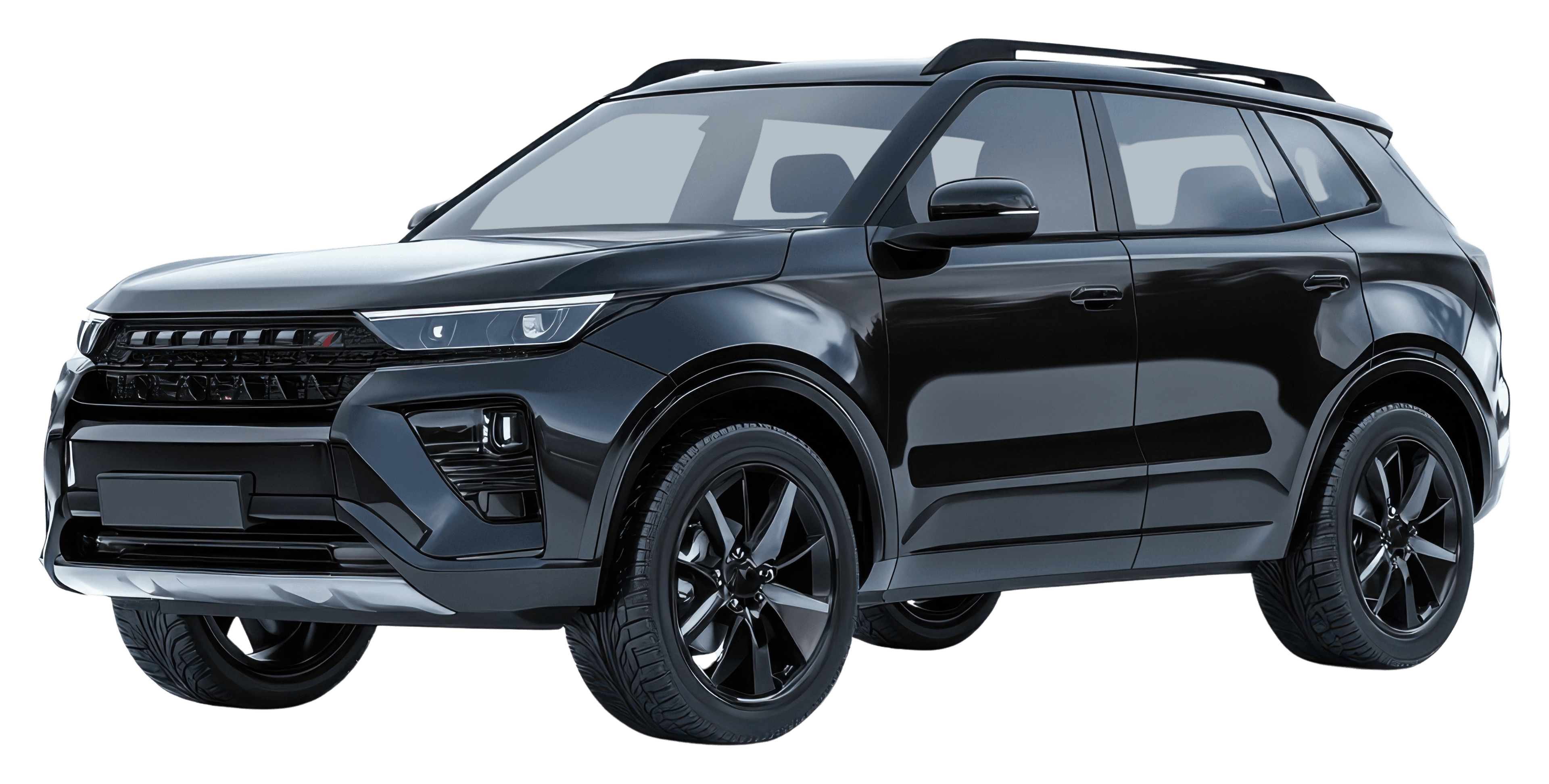
Choose a tint level
Our pick at 70% VLT
- 70%VLTARANAARANA 70% VLT 36"x15FT Ceramic Car Window Tint Film | Keep Car Cool, UV Heat Blocking, Daytime Privacy & Anti-Glare, Scratch Resistant, Phone/GPS Friendly, DIY InstallCeramic (nano-ceramic)36″ × 15′ rollRated 70% VLT — may comply with the 70% requirement for front side windows; verify the installed reading.View on Amazon
More options that clear this figure, darkest first
- 70%VLTARANAARANA 70% VLT 36"x15FT Ceramic Car Window Tint Film | Keep Car Cool, UV Heat Blocking, Daytime Privacy & Anti-Glare, Scratch Resistant, Phone/GPS Friendly, DIY InstallCeramic (nano-ceramic)36″ × 15′ rollRated 70% VLT — may comply with the 70% requirement for front side windows; verify the installed reading.View on Amazon
- 70%VLTMotoShield ProMotoShield Pro 70% VLT Nano Ceramic Window Tint for Car 40" in x 6' ft 2PLY Roll High Heat Rejection & Glare Reduction Auto Tint Privacy Film, Rejects up to 99% IRR, 99% UV Blocking, Easy DIY ShrinkCeramic (2-ply nano-ceramic PET)40″ × 6′ rollRated 70% VLT — may comply with the 70% requirement for front side windows; verify the installed reading.View on Amazon
- 70%VLTTOYOCOTOYOCO Ceramic Car Window Tint Film, 70% VLT, 20" x 10FT Window Privacy Film, No Signal Interference, 99% UV Protection & Scratch-Resistant for Side & Rear Windows, DIY InstallCeramic (2-ply)20″ × 10′ rollRated 70% VLT — may comply with the 70% requirement for front side windows; verify the installed reading.View on Amazon
- 70%VLTVepagooVepagoo Ceramic Car Window Tint Film 70% VLT, 36" x15FT | Daytime privacy, no signal interference, 99% UV block, scratch-resistant, DIY side/rear windows.Ceramic (nano-ceramic)36″ × 15′ rollRated 70% VLT — may comply with the 70% requirement for front side windows; verify the installed reading.View on Amazon
All 4 films we list that clear this figure. Verify before you tint. We match a film’s own rating against the figure in the statute above. We do not measure film, and a manufacturer rating is not a compliance certificate.
The limits at a glance
Alaska sets the same limits for passenger cars and for SUVs, vans and trucks, so there is nothing to switch between.
Film that may meet the 70% requirement for front side windows
- 70% VLT minimum — measured on the installed glass, film and window together
- This limit is measured on the installed glass, not on the film. Factory glass blocks light on its own, so film rated at or above the figure can still read below it once applied. Treat these as candidates and verify the installed reading.
- This state also restricts film colour: Tinting material must be green, gray, bronze, or neutral smoke in colour, or a sun reflective auto film. Any other colour is prohibited.
Every Alaska tint rule we track
| Rule | Applies to | What the law says | Source |
|---|---|---|---|
| Windshield strip — how dark the strip may be | All vehicles | No numeric VLT for the permitted windshield "eyebrow". The strip is allowed by position and depth alone; the only transmittance figures in the regulation attach to the side and rear windows.DetailThe mirrored-material ban in (a) still applies to the strip, and (d) still constrains its colour, so "no VLT figure" is not "no rule". | 13 AAC 04.223(b)(1) — Alaska Administrative Code · read · browser-retrieved “the front windshield may have a strip of tinting material applied to the top edge, known in the industry as an "eyebrow," which does not extend downward more than five inches from the top of the glass;” |
| Windshield strip — how far down it may extend | All vehicles | 5 inDetailMeasured from the top of the GLASS, not from the AS-1 line — Alaska never mentions AS-1 or FMVSS 205 for the windshield strip, so a vehicle with an AS-1 marking below five inches gets no benefit from it here. | 13 AAC 04.223(b)(1) — Alaska Administrative Code · read · browser-retrieved “the front windshield may have a strip of tinting material applied to the top edge, known in the industry as an "eyebrow," which does not extend downward more than five inches from the top of the glass;” |
| Windshield below the strip | All vehicles | Aftermarket tinting material is prohibited on the windshield below the permitted five-inch eyebrow: (a) bans aftermarket tinting on any window except as (b) allows, and (b)(1) allows only the eyebrow.DetailThis is the default-prohibition structure: the ban is general and the allowances are enumerated, so silence about a window means the window may not be tinted, not that it is unregulated. | 13 AAC 04.223(a) — Alaska Administrative Code · read · browser-retrieved “Except as provided in this section, a person may not drive a motor vehicle on a highway, public road, street or parking lot with aftermarket tinting material or aftermarket striping material on any window of the vehicle.” |
| Front side windows | All vehicles | 70% VLT minimum measured on the installed glass + film together DetailNET ASSEMBLY basis, stated by the regulation itself: (f) defines "light transmittance" as the ratio of total light "allowed to pass through a window, including glazing", so the figure governs the finished window rather than the film. Tolerance of ±3% for manufacturing variance is written into (e). | 13 AAC 04.223(b)(2) — Alaska Administrative Code · read · browser-retrieved “the driver and front passenger side windows may have tinting material that permits at least 70 percent light transmittance;” |
| Limousine | Limousines and passenger buses used to transport persons for hire, motor homes, and manufacturer-identified multipurpose vehicles are held to FMVSS 205 (49 C.F.R. 571.205 (1992)) instead of the 70/40 figures.DetailRecorded as prose rather than a number because (b)(4) substitutes a federal standard for a percentage. Note the frozen citation: Alaska pins the 1992 edition of 49 C.F.R. 571.205, not the current one. | 13 AAC 04.223(b)(4) — Alaska Administrative Code · read · browser-retrieved “limousines and passenger buses used to transport persons for hire, motor homes, and vehicles identified by the vehicle manufacturer as multipurpose may have tinting material that complies with Standard No. 205, Glazing Materials, in 49 C.F.R. 571.205 (1992).” | |
| Back side windows | All vehicles | 40% VLT minimum measured on the installed glass + film together DetailAlaska groups rear door windows, quarter glasses and back glasses in a single 40% class, so the rear side windows and the rear window carry the same figure. NET ASSEMBLY basis, stated by the regulation itself: (f) defines "light transmittance" as the ratio of total light "allowed to pass through a window, including glazing", so the figure governs the finished window rather than the film. Tolerance of ±3% for manufacturing variance is written into (e). | 13 AAC 04.223(b)(3) — Alaska Administrative Code · read · browser-retrieved “the rear door windows, quarter glasses, and back glasses may have tinting material that permits at least 40 percent light transmittance;” |
| Rear window | All vehicles | 40% VLT minimum measured on the installed glass + film together DetailNET ASSEMBLY basis, stated by the regulation itself: (f) defines "light transmittance" as the ratio of total light "allowed to pass through a window, including glazing", so the figure governs the finished window rather than the film. Tolerance of ±3% for manufacturing variance is written into (e). | 13 AAC 04.223(b)(3) — Alaska Administrative Code · read · browser-retrieved “the rear door windows, quarter glasses, and back glasses may have tinting material that permits at least 40 percent light transmittance;” |
| Reflectivity — front side windows | All vehicles | No numeric reflectance ceiling. Alaska bans mirrored tinting material outright on any window instead of capping a percentage, and (d) further limits tint to four named colours or a sun reflective auto film.DetailA flat prohibition is stricter than a percentage in one direction and unmeasurable in the other: an officer cannot cite a number, and an installer cannot certify to one. Rendering this as "no reflectance limit" would be wrong. | 13 AAC 04.223(a) — Alaska Administrative Code · read · browser-retrieved “A person may not drive a motor vehicle on a highway, public road, street, or parking lot with mirrored tinting material on any window of the vehicle.” |
| Reflectivity — back side windows | All vehicles | No numeric reflectance ceiling; the mirrored-material ban in (a) applies to any window of the vehicle, rear windows included. | 13 AAC 04.223(a) — Alaska Administrative Code · read · browser-retrieved “A person may not drive a motor vehicle on a highway, public road, street, or parking lot with mirrored tinting material on any window of the vehicle.” |
| Medical exemption | All vehicles | RequiredDetailThree cumulative conditions, and the ANNUAL renewal is the distinguishing one — most jurisdictions extracted so far accept a one-time certificate or a permit reviewed on a multi-year cycle. The physician must be licensed in Alaska, and the certificate must be in the vehicle; no state-issued permit or decal is involved. | 13 AAC 04.223(c) — Alaska Administrative Code · read · browser-retrieved “The windows of a vehicle may have tinting material that permits less light transmittance than that specified in (b) of this section if (1) a driver or a passenger who frequently travels in the vehicle is required for medical reasons to be shielded from the direct rays of the sun; (2) the medical reasons are certified annually by a physician licensed to practice in this state; and (3) the certification is carried in the vehicle.” |
| Certification sticker / label | All vehicles | unclear No published figure Under review — the official sources we read state no figure for this. This is a gap in our research, and it says nothing about what Alaska requires here; the state may set its rule in words rather than a percentage. Not addressed in 13 AAC 04.223. The regulation requires no compliance label, installer certificate or sticker on the vehicle. The only certification it demands is of the ENFORCEMENT tool, not the tint: (e) requires that the accuracy of the light transmittance measuring device be certified by its manufacturer. Whether Alaska imposes a labelling duty elsewhere in 13 AAC ch. 4 was not determined, and none is asserted either way. | — |
| Restricted colors | All vehicles | Tinting material must be green, gray, bronze, or neutral smoke in colour, or a sun reflective auto film. Any other colour is prohibited.DetailA positive whitelist, not the usual "no red, amber or yellow" blacklist. Every colour outside the four named ones is out, which makes Alaska stricter on colour than any jurisdiction extracted so far even where its VLT figures are ordinary. | 13 AAC 04.223(d) — Alaska Administrative Code · read · browser-retrieved “Tinting materials must be green, gray, bronze, or neutral smoke in color, or a sun reflective auto film.” |
| Side mirrors required if the rear window is tinted | All vehicles | Dual side mirrors are required only for the grandfathered case: a rear window tinted before 1 July 1994 is exempt from the transmittance rules if the owner has proof of the installation date AND the vehicle has driver-side and passenger-side rearview mirrors. rear window tinting installed before 1 July 1994 DetailThis is a HISTORICAL provision, and publishing it as a live mirror requirement would be wrong twice over: it does not apply to tint installed after 1 July 1994, and it is a condition of an exemption rather than a requirement imposed on tinted vehicles generally. Compare the grandfathering figures already recorded for Oklahoma, Wyoming and South Carolina. | 13 AAC 04.223(h) — Alaska Administrative Code · read · browser-retrieved “A tinted rear window on a motor vehicle is exempt from regulations relating to the tinting or luminous transmittance materials used in motor vehicle windows, if the vehicle’s owner has proof that the rear window tinting was installed before July 1, 1994, and the vehicle is equipped with driver-side and passenger-side rearview mirrors.” |
Film that may meet the 40% requirement for the rear window
- 40% VLT minimum — measured on the installed glass, film and window together
- This limit is measured on the installed glass, not on the film. Factory glass blocks light on its own, so film rated at or above the figure can still read below it once applied. Treat these as candidates and verify the installed reading.
- This state also restricts film colour: Tinting material must be green, gray, bronze, or neutral smoke in colour, or a sun reflective auto film. Any other colour is prohibited.
- Side mirrors, as this state records the condition: Dual side mirrors are required only for the grandfathered case: a rear window tinted before 1 July 1994 is exempt from the transmittance rules if the owner has proof of the installation date AND the vehicle has driver-side and passenger-side rearview mirrors.
As an Amazon Associate, StreetLawful earns from qualifying purchases. Product listings are matched to statutory requirements as we read them — this is not a guarantee of compliance, and we do not test or measure any film ourselves.
Choose a tint level
Our pick at 50% VLT
- 50%VLTIAQWEIAQWE 50% VLT Ceramic Car Window Tint Film 20 in x 20 ft Roll | High Heat Rejection, UV Block, Privacy, Shatterproof, Scratch Resistant & No Signal InterferenceCeramic (nano-ceramic, 5-layer)20″ × 20′ rollRated 50% VLT — may comply with the 40% requirement for the rear window; verify the installed reading.View on Amazon
Our pick at 70% VLT
- 70%VLTARANAARANA 70% VLT 36"x15FT Ceramic Car Window Tint Film | Keep Car Cool, UV Heat Blocking, Daytime Privacy & Anti-Glare, Scratch Resistant, Phone/GPS Friendly, DIY InstallCeramic (nano-ceramic)36″ × 15′ rollRated 70% VLT — may comply with the 40% requirement for the rear window; verify the installed reading.View on Amazon
More options that clear this figure, darkest first
- 50%VLTIAQWEIAQWE 50% VLT Ceramic Car Window Tint Film 20 in x 20 ft Roll | High Heat Rejection, UV Block, Privacy, Shatterproof, Scratch Resistant & No Signal InterferenceCeramic (nano-ceramic, 5-layer)20″ × 20′ rollRated 50% VLT — may comply with the 40% requirement for the rear window; verify the installed reading.View on Amazon
- 50%VLTRockRoseRockRose 50% Premium Carbon Car Window Tint Film 40 in x 100FT 2PLY Charcoal Privacy Film UV, Heat Blocking Tint for Car or Home Adhesive Film Easy Shrink, Plotter Friendly Pro GradeCarbon (2-ply PET)40″ × 100′ rollRated 50% VLT — may comply with the 40% requirement for the rear window; verify the installed reading.View on Amazon
- 50%VLTTOYOCOTOYOCO Ceramic Car Window Tint Film, 50% VLT, 36" x 25FT Window Privacy Film, No Signal Interference, 99% UV Protection & Scratch-Resistant for Side & Rear Windows, DIY InstallCeramic (2-ply)36″ × 25′ rollRated 50% VLT — may comply with the 40% requirement for the rear window; verify the installed reading.View on Amazon
- 70%VLTARANAARANA 70% VLT 36"x15FT Ceramic Car Window Tint Film | Keep Car Cool, UV Heat Blocking, Daytime Privacy & Anti-Glare, Scratch Resistant, Phone/GPS Friendly, DIY InstallCeramic (nano-ceramic)36″ × 15′ rollRated 70% VLT — may comply with the 40% requirement for the rear window; verify the installed reading.View on Amazon
Showing 4 of the 8 films we list that clear this figure. Verify before you tint. We match a film’s own rating against the figure in the statute above. We do not measure film, and a manufacturer rating is not a compliance certificate.
Sources
- 13 AAC 04.223(a) — Alaska Administrative Code, read
Other Alaska modification laws
Alaska exhaust and muffler laws
Not published yet. We have not researched this category for Alaska — which is a statement about us, not about whether Alaska regulates it.
Alaska lighting and underglow laws
Not published yet. We have not researched this category for Alaska — which is a statement about us, not about whether Alaska regulates it.
Alaska lift kit and bumper height laws
Not published yet. We have not researched this category for Alaska — which is a statement about us, not about whether Alaska regulates it.
Alaska wheel and tire laws
Not published yet. We have not researched this category for Alaska — which is a statement about us, not about whether Alaska regulates it.
Alaska ECU tuning and emissions laws
Not published yet. We have not researched this category for Alaska — which is a statement about us, not about whether Alaska regulates it.
Alaska intake laws
Not published yet. We have not researched this category for Alaska — which is a statement about us, not about whether Alaska regulates it.
Alaska body and appearance laws
Not published yet. We have not researched this category for Alaska — which is a statement about us, not about whether Alaska regulates it.